Global Fashion Retailer NGG Closes After 33 Years
NGG Group, a global fashion retailer that once boasted hundreds of stores across four continents, has announced the immediate closure of all its remaining operations after 33 years in business. The news sends shockwaves through the retail sector, underscoring the brutal pressures facing legacy brands in a rapidly evolving market.
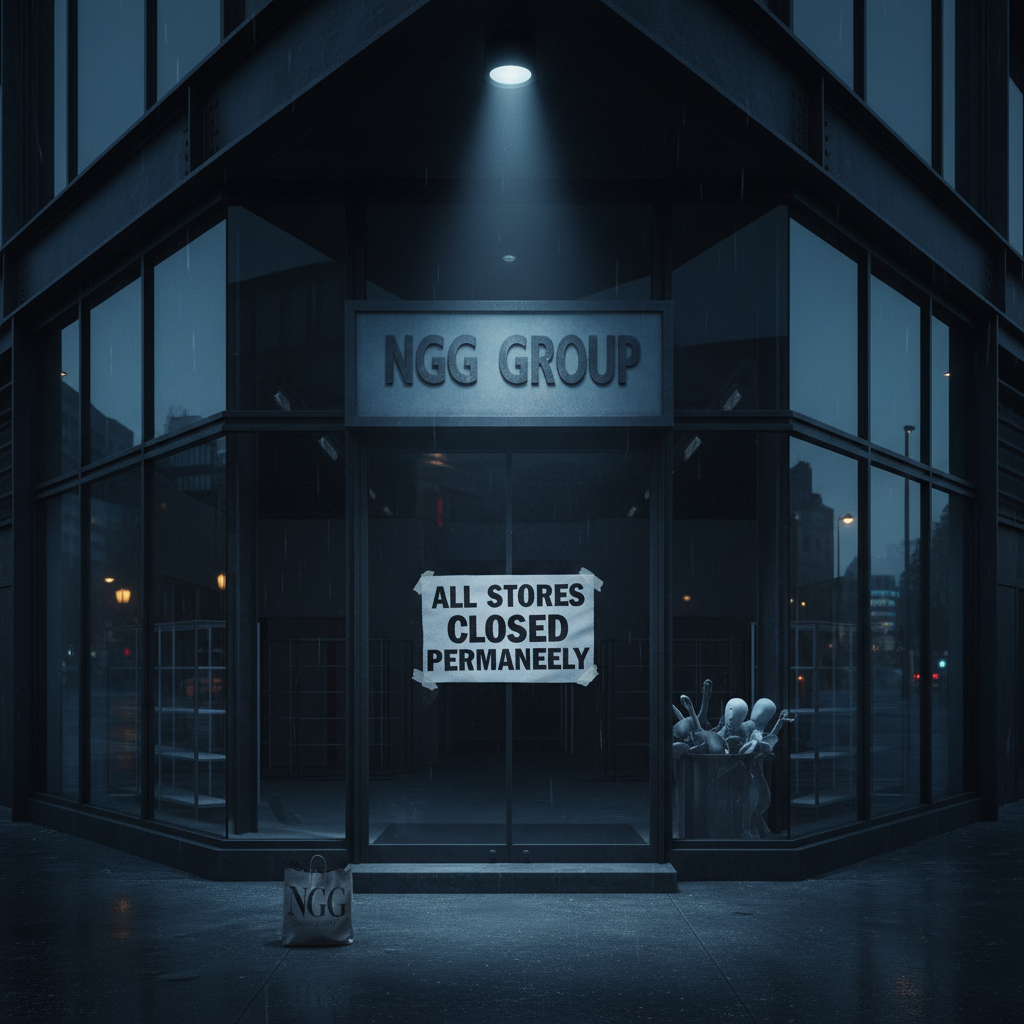
NGG Group, a global fashion retailer that once boasted hundreds of stores across four continents, has announced the immediate closure of all its remaining operations after 33 years in business. The news sends shockwaves through the retail sector, underscoring the brutal pressures facing legacy brands in a rapidly evolving market.
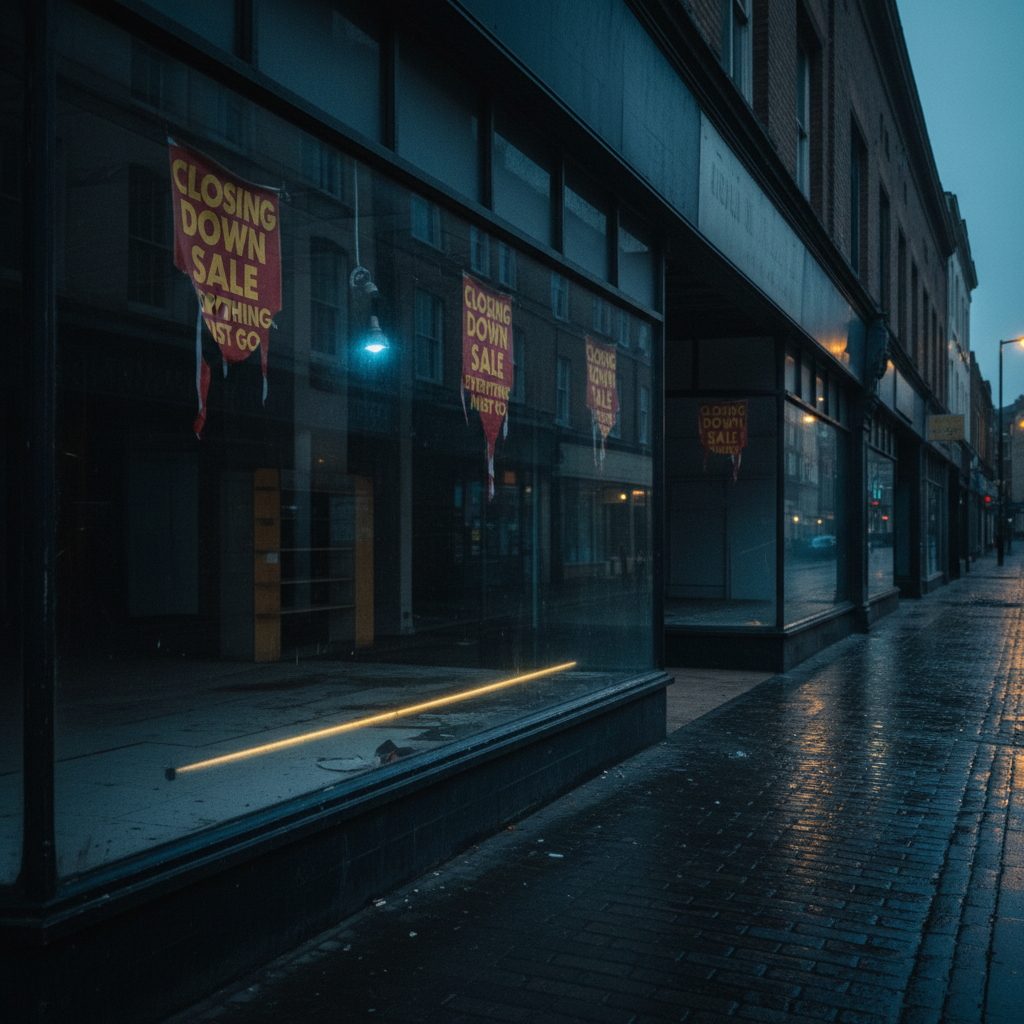
The Rise and Fall of NGG
Founded in 1991 in Milan, Italy, NGG quickly carved out a niche in the affordable luxury segment, offering well-designed, contemporary clothing and accessories. Its blend of European chic and accessible pricing resonated with a growing middle class.
By the early 2000s, NGG had expanded aggressively, opening flagship stores in major cities like New York, London, Tokyo, and Dubai. At its peak in 2014, the company operated over 450 stores globally and reported annual revenues exceeding $2.5 billion.
However, the last decade has seen a relentless decline. Aggressive competition, shifts in consumer behavior, and a perceived slow adaptation to digital trends gradually eroded NGG's market position and profitability.
"NGG was a household name for a generation," states retail analyst Dr. Ananya Sharma. "Their inability to pivot meaningfully into e-commerce and directly compete with the agility of fast-fashion giants ultimately sealed their fate."
Key Factors in NGG's Demise
Several interconnected factors contributed to NGG's inability to sustain its operations:
1. E-commerce Lag
NGG was notably late to embrace a robust e-commerce strategy. While competitors invested heavily in online platforms and digital marketing, NGG maintained a traditional brick-and-mortar focus for too long.
- Their online store experience was often clunky and not optimized for mobile.
- Digital marketing efforts were fragmented and lacked consistency.
- This left them vulnerable as consumer shopping habits rapidly shifted online, especially during and after the pandemic.
2. Fast Fashion's Relentless Pace
The rise of ultra-fast fashion retailers like Shein and Zara presented a formidable challenge. These players could design, produce, and distribute new styles in weeks, sometimes days, at significantly lower price points.
- NGG's traditional seasonal collections felt dated in comparison.
- Their supply chain, while efficient for its time, couldn't match the speed required to capitalize on ephemeral trends.
3. Supply Chain Shocks and Inflation
The global supply chain disruptions of the past few years, coupled with rising inflation, severely squeezed NGG's margins.
- Increased shipping costs, raw material prices, and labor expenses directly impacted profitability.
- The brand found it difficult to pass these costs onto increasingly price-sensitive consumers without alienating them.
4. Shifting Consumer Values
Modern consumers are increasingly prioritizing sustainability and ethical sourcing. NGG, like many legacy brands, struggled to communicate a compelling message in this area.
- Lack of transparency in their supply chain regarding labor practices.
- Perceived overuse of non-sustainable materials.
- This alienated a segment of younger, environmentally conscious shoppers.
5. Over-reliance on Physical Footprint
NGG's extensive global store network, once a strength, became a significant liability.
- High rental costs in prime retail locations became unsustainable.
- Reduced foot traffic post-pandemic exacerbated the problem.
- Aggressive expansion in the 2000s left them with a vast, expensive portfolio of underperforming stores.
The Financial Fallout
The company had been navigating financial distress for several years. Public filings show a consistent trend of declining revenues and widening losses since 2018.
- 2022 Loss: €185 million on revenues of €890 million.
- Total debt reported at approximately €600 million.
- Several rounds of restructuring attempts failed to turn the tide, culminating in failed talks with potential investors earlier this quarter.

The closure will result in the loss of approximately 7,500 jobs globally. This figure includes retail staff, corporate employees, and logistics personnel across dozens of countries.
Creditors and landlords are now bracing for the formal liquidation process. Analysts suggest that given the scale of the debt, unsecured creditors are likely to recover only a small fraction of their claims.
What This Means for the Retail Sector
NGG's downfall serves as a stark warning to other established fashion brands. The landscape is unforgiving, demanding constant innovation and adaptability.
- Digital First: The imperative to prioritize a seamless, engaging online experience is no longer optional.
- Agility: Supply chains must be flexible and responsive to rapid market shifts and consumer demands.
- Sustainability: Authenticity in ethical and sustainable practices is becoming a non-negotiable for brand loyalty.
- Brand Relevancy: Continuous reinvention and understanding the evolving values of target demographics are crucial.
"The lesson from NGG is clear," notes industry consultant Paul Harrison. "Stagnation is death. You either evolve quickly, or you become a case study for future generations of business students. The middle ground for fashion retailers is rapidly disappearing."
Smaller, niche brands with strong digital presences and a clear value proposition are often better positioned to thrive. Larger groups are frantically investing in data analytics, AI-driven trend forecasting, and advanced logistics to avoid a similar fate.
Future of Retail Space
The millions of square feet of prime retail space vacated by NGG will contribute to the ongoing challenge of high street revitalization. Landlords will face pressure to find new tenants, potentially accelerating the trend towards mixed-use developments or experiential retail concepts.
NGG's intellectual property, including brand names and designs, may still hold some value, potentially attracting buyers looking to revive the brand as an online-only entity or integrate it into a larger portfolio.

Key Takeaways
- NGG Group, a global fashion retailer, is closing all stores after 33 years in operation.
- Primary causes include a late adoption of e-commerce, intense competition from fast fashion, supply chain issues, and shifting consumer values.
- The closure impacts approximately 7,500 jobs worldwide.
- NGG's demise highlights the critical need for digital transformation, supply chain agility, and genuine sustainability in the modern retail industry.
- The event signals ongoing consolidation and disruption within the global fashion sector, emphasizing that even established brands are vulnerable.
Bottom Line
The closure of NGG is more than just a business failure; it's a sobering indicator of the existential threats facing traditional retail models. Its collapse serves as a powerful testament to the relentless pace of change in consumer behavior and technology, demanding unwavering adaptability from even the most established global brands.
Frequently asked questions
What led to NGG's closure?
NGG's closure was primarily due to a combination of factors including its slow adoption of e-commerce, intense competition from fast-fashion brands, global supply chain disruptions, rising inflation, high operational costs of its extensive physical store network, and a failure to adapt to evolving consumer values like sustainability.
How many jobs will be lost due to NGG's closure?
The closure of NGG is expected to result in the loss of approximately 7,500 jobs globally, affecting retail staff, corporate employees, and logistics personnel across dozens of countries.
What is the broader implication of NGG's downfall for the retail industry?
NGG's collapse serves as a stark warning to other established fashion brands, underscoring the critical importance of rapid digital transformation, agile supply chains, authentic sustainability efforts, and continuous brand reinvention to remain relevant in a highly competitive and dynamic market.
When was NGG founded and what was its peak operation?
NGG was founded in 1991 in Milan, Italy. At its peak in 2014, the company operated over 450 stores globally and reported annual revenues exceeding $2.5 billion.
Will NGG's brand or assets be revived?
While the physical stores are closing, NGG's intellectual property, including brand names and designs, may still hold value. It is possible that these assets could be acquired by another entity looking to revive the brand, potentially as an online-only venture or integrated into a larger portfolio, but this depends on buyer interest and the liquidation process.